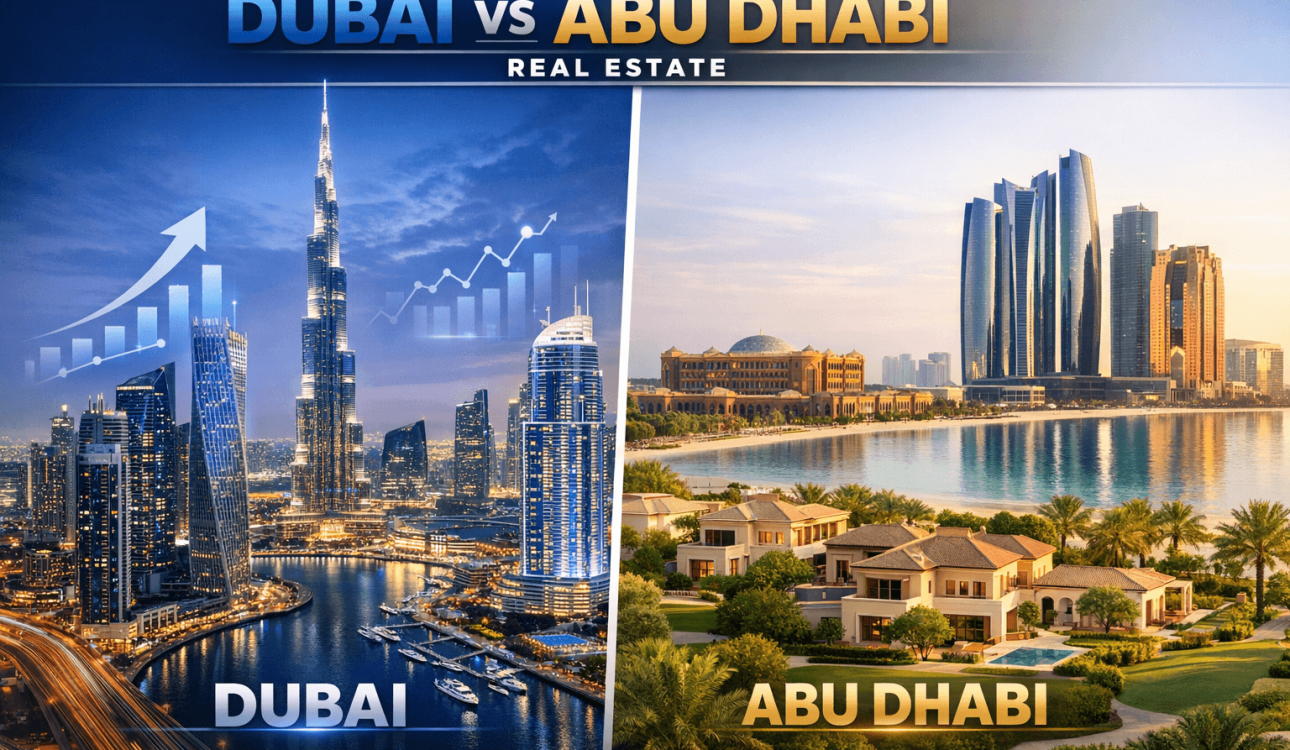
Overview of Dubai and Abu Dhabi Real Estate Markets
The real estate markets of Dubai and Abu Dhabi, two iconic cities in the United Arab Emirates, present unique opportunities and characteristics for investors. Dubai is known for its dynamic, luxury-driven market with a cosmopolitan appeal, while Abu Dhabi offers a more traditional, stable environment centered around family-oriented communities. Both cities attract a diverse array of international buyers and investors, making them vital hubs in the Middle East property landscape.
Dubai’s rapid development in the last two decades has transformed it into a global real estate powerhouse, fueled by visionary government initiatives and continuous influx of expatriates. Abu Dhabi, the UAE’s capital, benefits from its vast oil wealth as well as a strategic approach to urban planning that balances growth with quality of life. The contrasting styles of urban development create distinct market environments suited to different investor profiles and lifestyle preferences.
Market Growth Trends and Investment Performance
Historically, Dubai’s real estate market has displayed a slightly higher return on investment (ROI) compared to Abu Dhabi, largely fueled by its rapid urban development and a focus on high-end luxury properties. Dubai’s aggressive approach to creating landmark projects such as the Expo 2020 site, Dubai Creek Harbour, and international business hubs contributes to robust market growth and greater volatility.
Conversely, Abu Dhabi demonstrates steadier pace growth with stable demand rooted in its economic fundamentals, government spending on infrastructure, and diversification efforts outside hydrocarbon reliance. This more measured growth translates to lower volatility and strong capital preservation for investors who prioritize stability.
Despite these differences, both markets are poised for long-term potential with expected positive impacts from Expo legacy projects, new tourism initiatives, and visionary plans under the UAE’s Vision 2021 National Agenda. Investors can benefit from tracking detailed market reports like those published by Knight Frank for Dubai and Abu Dhabi insights.
Property Types and Luxury Market Differences
Dubai’s property landscape is highly diverse, ranging from affordable apartments to ultra-luxury villas and high-rise penthouses. The city’s luxury market is globally recognized, featuring iconic developments like the Burj Khalifa district, Palm Jumeirah, and the upcoming Dubai Harbour. These developments attract wealthy global investors, celebrities, and high-net-worth individuals seeking exclusive urban experience combined with breathtaking views and premium amenities.
Abu Dhabi, while also offering luxury properties, places more emphasis on spacious family homes within gated communities, such as Al Raha Beach and Saadiyat Island. This focus reflects its demographic inclination towards settled families prioritizing lifestyle comfort, privacy, and community-centric environments. Abu Dhabi also has a growing market for sustainable, eco-conscious developments aligning with its green city initiatives.
These differences in property types mirror each city’s unique positioning: Dubai caters to a fast-paced, cosmopolitan crowd seeking dynamic luxury, while Abu Dhabi attracts those seeking tranquility, space, and exclusivity.
Pricing and Entry Barriers
Dubai’s property prices tend to be higher on average, particularly in sought-after luxury and waterfront locations, creating higher entry barriers for new investors. Iconic locations such as Downtown Dubai and Dubai Marina command premium prices that reflect their global prestige. However, Dubai also offers a broad range of properties at varying price points, including affordable housing in emerging neighborhoods, making it accessible to a wider investor spectrum.
Rental yields in Dubai can be attractive, sometimes exceeding 7% in certain neighborhoods, provided the property is marketed and managed effectively. This return appeals to investors favoring rental income as part of their portfolio strategy.
Abu Dhabi offers somewhat lower average prices and more affordable entry-level investment options, with the average price per square foot typically below Dubai’s luxury hotspots. This lower cost of entry appeals to both end-users and investors looking for stable but moderate growth opportunities and dependable rental income streams. Rental yields are commonly between 5% and 6%, underscoring the city’s steady market nature.
This difference in pricing strategies and market segmentation aligns with the differing economic policies, resident demographics, and governmental priorities in each emirate.
Lifestyle and Demand Drivers
Lifestyle preferences significantly shape demand in each city’s housing market. Dubai caters extensively to expatriates, business professionals, and transient populations drawn by its cosmopolitan lifestyle, international schools, world-class healthcare, and vibrant entertainment scenes. High demand is supported by thriving sectors such as tourism, finance, and tech industries, fueling short- and long-term rental markets.
Abu Dhabi, on the other hand, appeals more to families and nationals valuing quieter, community-centric living with a strong focus on education, cultural heritage, and long-term residency. Government initiatives promote family-friendly neighborhoods and green spaces, ensuring an attractive setting for stable housing demand. These lifestyle drivers influence not only the type and location of properties but also rental vacancies and price stability.
Legal and Regulatory Environment
Both Dubai and Abu Dhabi offer frameworks to protect investors, but there are notable regulatory differences. Dubai allows 100% foreign ownership in designated freehold areas and has streamlined processes for property transactions, making it relatively easy for foreigners to invest.
Abu Dhabi has gradually expanded foreign ownership rights but maintains more restrictions, confining expatriate investors to specific zones with detailed regulatory compliance obligations. The Abu Dhabi Department of Municipalities and Transport regularly updates regulations to enhance transparency and protect investor rights while fostering sustainable growth.
Investor protections, property registration, title deed security, and dispute resolution mechanisms are well-defined in both emirates. Dubai is often cited for its more transparent and efficient regulatory environment, supported by digital platforms like Dubai Land Department. Abu Dhabi is making strides to improve ease of transactions, as reflected in its growing real estate market openness.
Long-Term Outlook and Potential Risks
Future prospects for both markets remain positive, supported by ongoing economic diversification, tourism growth, and infrastructure projects such as transportation expansions and cultural developments. Dubai’s aggressive innovation agenda and vision for becoming a global financial and tourism hub underpin its long-term outlook.
Abu Dhabi’s strengths lie in its substantial oil wealth, government-backed development projects, emphasis on cultural tourism, and social stability. The emirate is also investing heavily in renewable energy and sustainable urbanism, aligning with global trends.
Risks include global economic fluctuations, regional geopolitical tensions, and potential market corrections. Dubai typically faces higher exposure due to its more volatile market dynamics and international investor base, while Abu Dhabi offers a somewhat buffered scenario with less pronounced cycles.
Investors are encouraged to consider these factors alongside detailed market research, including official reports by entities like the CBRE Group, to navigate potential risks effectively.
Choosing the Right Market for Your Investment Goals
Deciding between Dubai and Abu Dhabi real estate depends on an investor’s budget, risk tolerance, and investment objectives. Those seeking higher ROI and exposure to a vibrant luxury market may prefer Dubai, appreciating its growth potential, international amenities, and rental yield prospects.
Investors prioritizing stability, affordability, and a family-oriented environment might find Abu Dhabi to be more suitable. This market also appeals to those preferring a less speculative environment and a lifestyle centered on community and culture.
For those interested in deeper understanding of luxury property investment strategies, you may refer to our in-depth articles on Luxury Properties in Dubai and Abu Dhabi Family Homes Market Trends. Aligning individual goals with the specific attributes of each market ensures a well-informed property investment decision.
Additionally, market updates and regulatory changes can be tracked through reputable local real estate portals and official government websites to remain informed about new opportunities and policies.
Conclusion
Both Dubai and Abu Dhabi offer compelling real estate opportunities, each with distinct advantages tailored to different investor profiles. Dubai’s dynamic and luxury-focused market promises higher returns and an energetic urban lifestyle, while Abu Dhabi’s steadier, family-friendly environment provides security and long-term stability.
Understanding the nuances of each city’s market—from property pricing and types to lifestyle preferences and regulatory frameworks—is essential to making an informed investment decision. By carefully considering your investment goals and risk tolerance, you can capitalize on the unique strengths of these vibrant UAE markets and secure a property portfolio aligned with your aspirations.
Frequently Asked Questions (FAQ)
- Which city offers higher rental yields, Dubai or Abu Dhabi?
Dubai generally offers higher rental yields, especially in prime and luxury locations, while Abu Dhabi tends to have more stable but moderate rental returns. - Can foreigners own property in both Dubai and Abu Dhabi?
Yes, foreigners can own property in Dubai’s designated freehold areas with 100% ownership. Abu Dhabi also allows foreign ownership but within more specific zones and with certain restrictions. - What type of property is more prevalent in each city?
Dubai has a wide range from affordable apartments to ultra-luxury villas and penthouses. Abu Dhabi focuses more on spacious family homes and gated community living. - How do lifestyle preferences influence the real estate market in these cities?
Dubai’s cosmopolitan, fast-paced lifestyle appeals to expatriates and professionals, while Abu Dhabi’s quieter, family-oriented environment attracts settled families and nationals. - What are the main risks associated with investing in these markets?
Global economic fluctuations, regional geopolitical tensions, and market corrections are potential risks. Dubai’s market tends to be more volatile, whereas Abu Dhabi’s is generally more stable.
For further reading, explore authoritative resources like the World Bank UAE overview and IMF UAE economic data to understand the macroeconomic environment influencing these real estate markets.