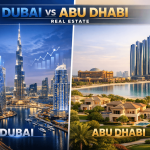
Overview of Dubai’s Real Estate Market in 2026
Dubai’s real estate market in 2026 continues to demonstrate resilience and steady growth, reflecting the city’s ability to adapt and thrive in a dynamic global economic environment. After several years of rapid price increases driven by strong demand and limited supply, the market has entered a phase of moderated but consistent expansion. According to the Property Monitor’s Dynamic Price Index, residential property prices rose from approximately AED 1,484 per square foot to AED 1,676 per square foot in 2025, indicating sustained demand and active transaction volumes throughout the city. Although the rapid pace of price hikes seen during the previous boom years has slowed, market fundamentals remain robust, with no significant signs of decline. This stability serves to reassure investors and buyers alike, confirming Dubai’s reputation as one of the region’s most attractive and secure real estate investment destinations. The resilient performance is supported by a balanced supply pipeline, strong rental yields, and the city’s ongoing appeal as a global hub for business, tourism, and lifestyle. [Source: Engel & Völkers]
Key Factors Influencing the Market
The current trajectory of Dubai’s property market is influenced by several critical factors. Strong economic growth, diversification initiatives, and favorable government policies play central roles. Dubai’s leadership has implemented visa reforms, long-term residency permits, and eased investment regulations to attract foreign capital and global talent. Additionally, robust infrastructure projects and Expo 2020’s residual benefits continue to bolster real estate demand. Demand drivers include a recovering global economy, population growth, and increased interest from institutional investors seeking stable returns in a geopolitically strategic location.
Market Segmentation by Property Type
Dubai’s real estate market segments exhibit differing performances. The residential sector remains the most active with consistent demand for apartments and villas across mid-range and affordable brackets. Luxury properties continue to attract high-net-worth individuals, driven by exclusivity and prime locations. Commercial real estate, while slower to rebound from pandemic disruptions, is gaining traction with the revival of business activity and office leasing. Mixed-use developments that integrate residential, retail, and commercial spaces are especially popular, reflecting evolving urban living preferences.
Popular Locations and Emerging Areas
Prime districts such as Downtown Dubai, Dubai Marina, and Palm Jumeirah remain magnets for investors and homeowners alike due to their lifestyle offerings and accessibility. Emerging areas like Dubai South, Mohammed Bin Rashid City (MBR City), and Dubai Creek Harbour are increasingly catching market attention due to ongoing master developments and attractive pricing. These newer zones combine affordable entry points with comprehensive amenities, making them popular among young professionals and families looking for long-term value.
Price Trends and Investment Performance
Historical price growth in Dubai has been impressive, with cumulative gains exceeding 80% over the past decade. Growth has been fueled by infrastructure development, tourism, and regulatory reforms. Current average prices show a stable upward trend with minor fluctuations depending on property type and location. Experts anticipate continued moderate appreciation given controlled supply and sustained demand. Investment returns in well-chosen projects remain healthy, especially in areas benefiting from strategic government initiatives and connectivity improvements.
Buyer Profiles and Market Behavior
The Dubai market is characterized by diverse buyer profiles: expat investors seeking rental yield, end-users purchasing for personal residence, and institutional players deploying capital on larger-scale developments. Expatriates from Asia, Europe, and the Middle East dominate ownership, reflecting Dubai’s global cosmopolitan character. Market behavior reveals increasing sophistication, with buyers conducting thorough due diligence and favoring developers with solid track records. Homebuyers increasingly prioritize quality, amenities, and community features, reflective of broader lifestyle trends.
Risks and Considerations for Investors and Buyers
Despite its strengths, investors and buyers must consider several risks inherent to Dubai’s real estate market. Price volatility can occur due to shifts in global economic conditions or abrupt regulatory changes. Legal considerations include ensuring clear title, compliance with ownership laws, and understanding contractual obligations fully. Performing comprehensive due diligence—engaging reputable advisors and verifying developer credentials—is essential for mitigating risks. Awareness of ongoing maintenance costs, community fees, and potential market saturation are also necessary to make informed decisions in this dynamic environment.